July 01, 2026 4 min read

What Is Deadstock Fabric? | Jackalo

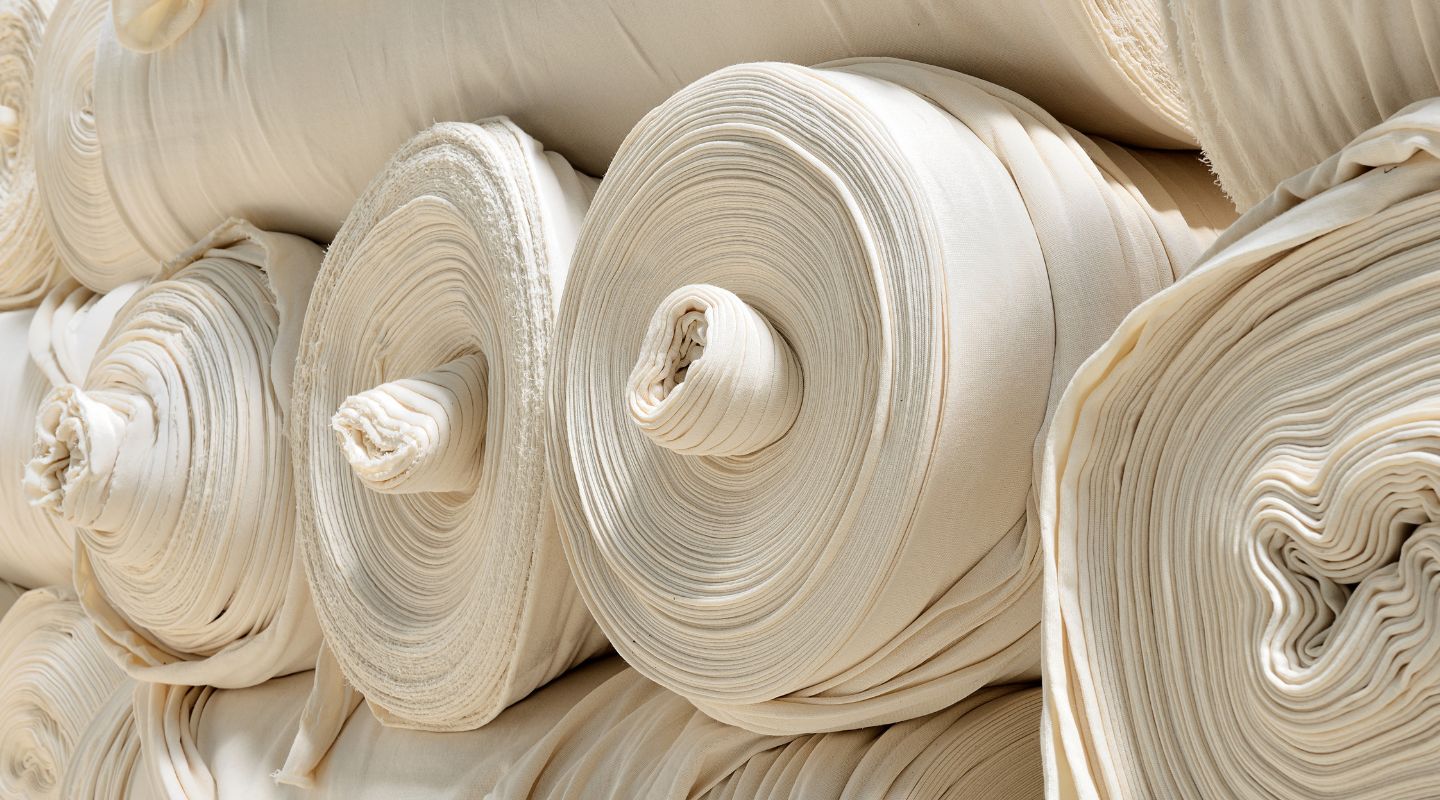
Deadstock fabric is leftover, unused material from someone else's production run — fabric that was woven, knit, or printed and then never turned into anything. A brand over-ordered. A run got cancelled. A mill misjudged demand. Whatever the reason, the fabric is sitting in a warehouse instead of on a shelf, and rather than letting it go to waste, other brands — including us — buy it up and use it.

You might also hear it called overstock fabric, surplus fabric, or jobber fabric. They are all the same thing.

Where does deadstock fabric come from?

Deadstock ends up in surplus for a few different reasons:

  • A brand ordered more fabric than they needed for a season and didn't use the rest
  • A factory overproduced a textile they expected to sell — and didn't
  • A collection got cancelled mid-production
  • A colorway or print got cut at the last minute

In all of these cases, perfectly usable fabric ends up sitting unused. Sometimes mills and manufacturers resell it directly; other times it moves through brokers or fabric jobbers who aggregate surplus from multiple sources.

For smaller brands, this is actually a feature. Ordering new fabric from a mill typically requires a minimum of hundreds — sometimes thousands — of meters. For a children's clothing brand, where a single garment might only use half a meter of fabric, that's an enormous commitment before you know whether anyone wants the item. Deadstock lets us source in quantities that make sense for a smaller run, test a style or print with real customers, and avoid sitting on a mountain of unused fabric ourselves.

Is deadstock fabric sustainable?

This is where it gets nuanced — and where a lot of brands skip the honest answer.

Deadstock can be more sustainable than ordering new fabric. But it's not automatically sustainable.

Here's what deadstock does help with: it prevents existing fabric from going to landfill or incineration, and it means we don't have to commission new material to be grown, processed, and shipped. Using deadstock also lets us run smaller batches — which means we can test a new fabric, color, or style without over-ordering and hoping it sells.

"Deadstock lets us test a print in small batches instead of betting big and overproducing."

But here's what deadstock doesn't fix: if the fabric itself was grown with heavy pesticides, dyed with harsh chemicals, or made from synthetic fiber that sheds microplastics, buying it secondhand doesn't undo any of that. Deadstock is a waste-reduction story, not an automatic sustainability stamp.

That's why we're picky about which deadstock we use. We prioritize organic cotton deadstock, and linen — which is naturally low in pesticides because flax is a hardy plant that doesn't need much help growing. We're not just rescuing fabric. We're rescuing fabric that was responsibly made in the first place.

Why deadstock can open up interesting options

One thing we genuinely love about deadstock: it gives us access to colors, prints, and fabric weights we might not otherwise be able to source. We work directly with mills that have excess on hand — which means we might find exactly the right linen blend in a color that works perfectly for a limited piece, available in a quantity that actually makes sense for us.

It also means our deadstock styles are inherently limited edition. When the fabric is gone, that style is done. We think that's a good thing — it runs counter to the idea that everything should always be available in infinite supply.

So why doesn't deadstock carry a GOTS certification?

This is the part that trips people up — and that most brands don't bother explaining. We think you deserve the honest version.

GOTS (the Global Organic Textile Standard) requires unbroken documentation at every single step in a fabric's life — from the farm where the fiber was grown, through ginning, spinning, weaving, dyeing, sewing, and finishing. Every facility in that chain has to be certified and audited. The whole point is traceability: you can follow that fabric's story all the way back to the field.

There are two ways deadstock fabric loses that certification. The first is what most people assume: if fabric gets sold through a broker or jobber, it leaves the certified chain entirely, and the paperwork can't follow it to a new buyer. But the second reason is less obvious — and it's the one that applies to us. GOTS has a six-month window for Transaction Certificates, the documents that prove a specific shipment is certified. If that window passes before the fabric gets used and the certificate gets filed, the certification lapses — even if the fabric itself never left a certified supply chain, and even if nothing about the fiber changed. Surplus fabric, by definition, tends to sit. Six months goes quickly.

"Just because deadstock can't carry a GOTS label doesn't mean it isn't organic — it means the paperwork couldn't keep up with the fabric."

This is why you'll see us describe our deadstock pieces differently from our GOTS-certified pieces. We're not being coy — we know the fiber is organic, because the chain of custody exists right up to the point the certification window closed. It could have been certified if not for the time. We just can't put the GOTS label on it, and we won't claim that we can.

When a brand sells "deadstock" without any fiber claim at all, that's worth a second look. It could be organic cotton that lost its certification on paper, or it could be synthetic fabric. The fiber may matter more than the certification — but it also comes down to trust. Is this a brand that's willing to explain where their fabric actually came from and how it was produced?

How we think about deadstock at Jackalo

We use deadstock selectively. Almost always organic cotton or linen, chosen because those fibers are clean regardless of whether the certification paperwork survived the timeline. On the product itself, we'll say "deadstock organic cotton" or "deadstock linen/cotton blend" — never "certified organic." We have access to the sourcing information; we just can't attach a GOTS certificate to it.

We'd rather explain the nuance than oversell it.

Deadstock isn't a shortcut to sustainability. It's a tool. Used thoughtfully, with the right fiber behind it, it's one more way to make fewer, better things.

--Marianna