


Someone wore this denim first, broke it in, made it soft. Now it's yours.
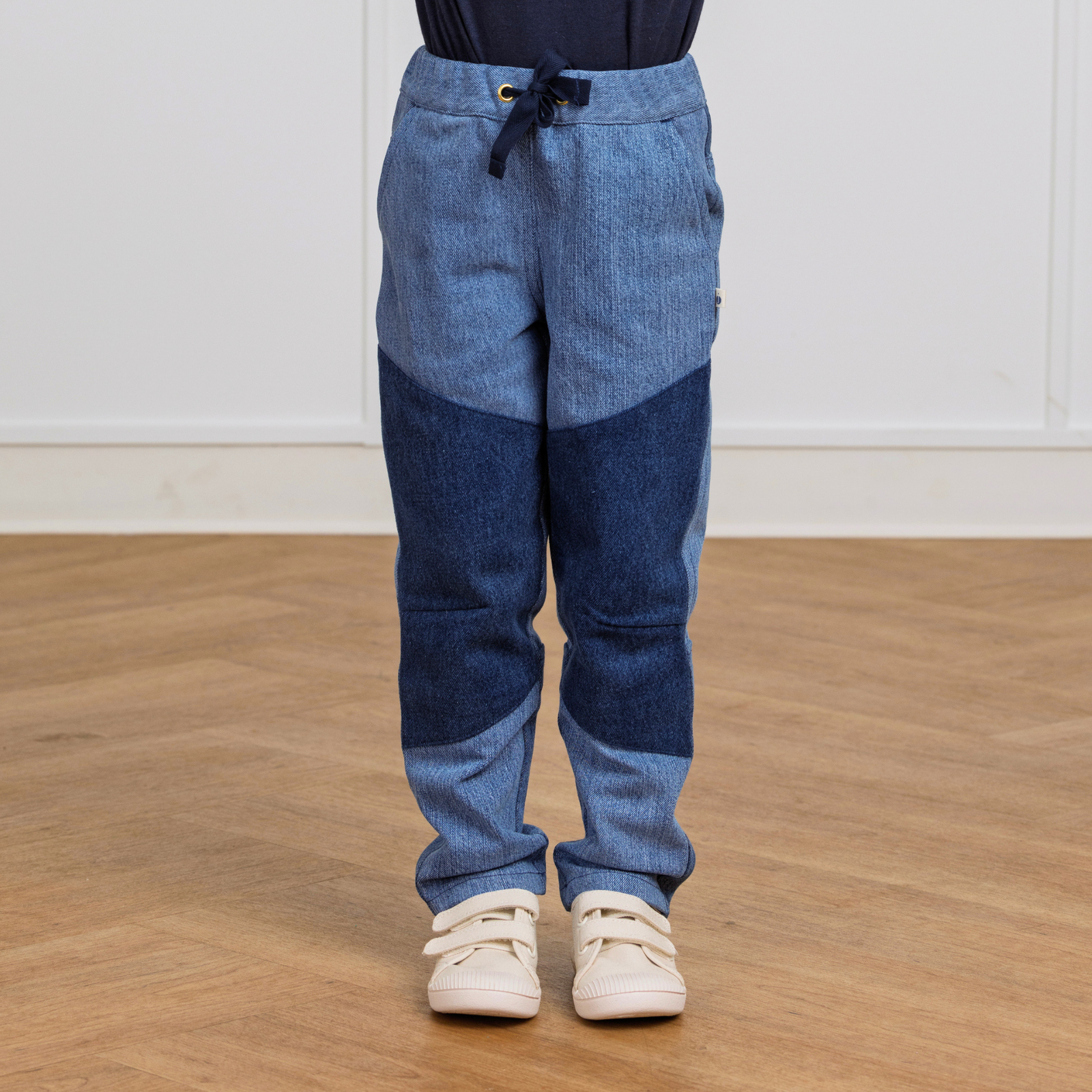

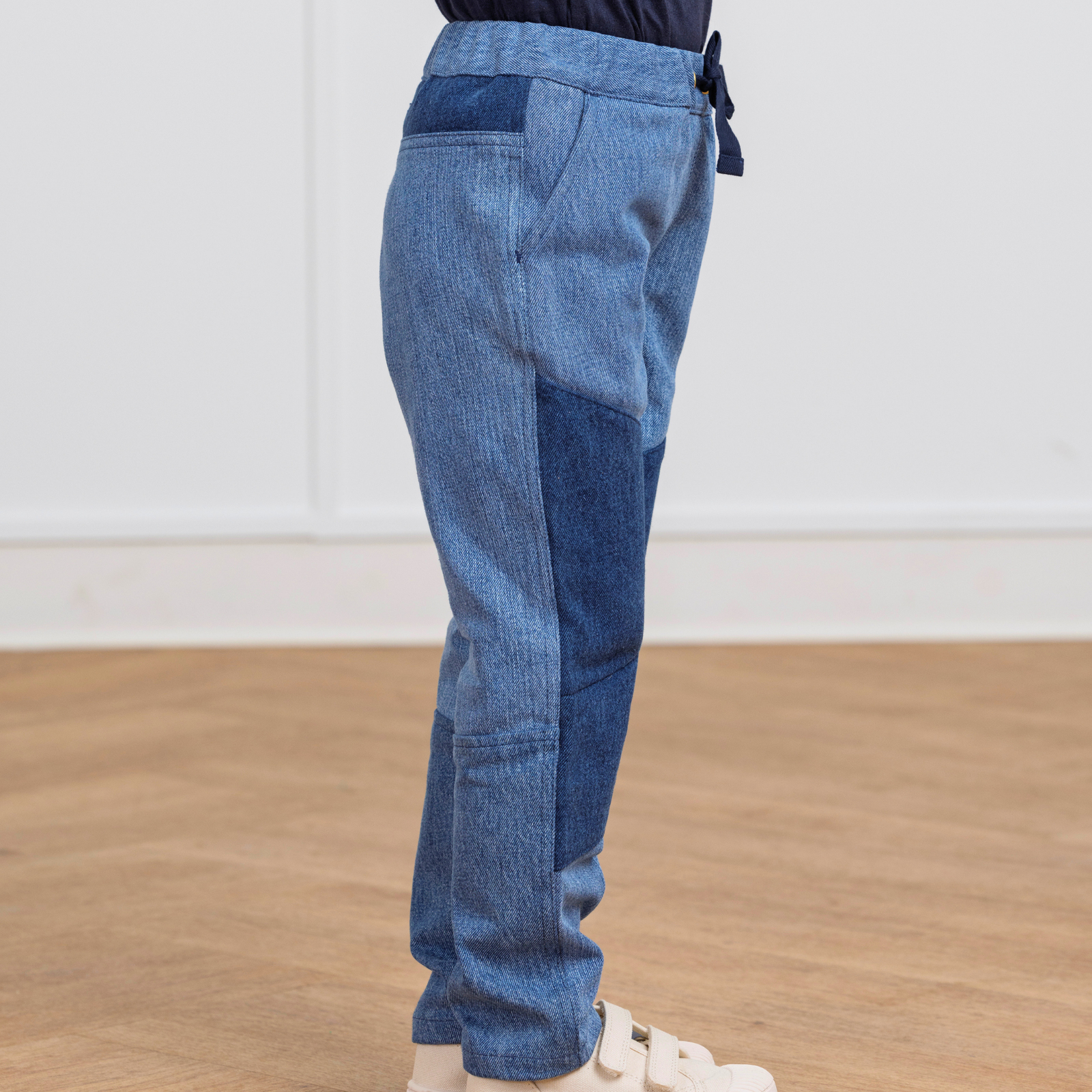

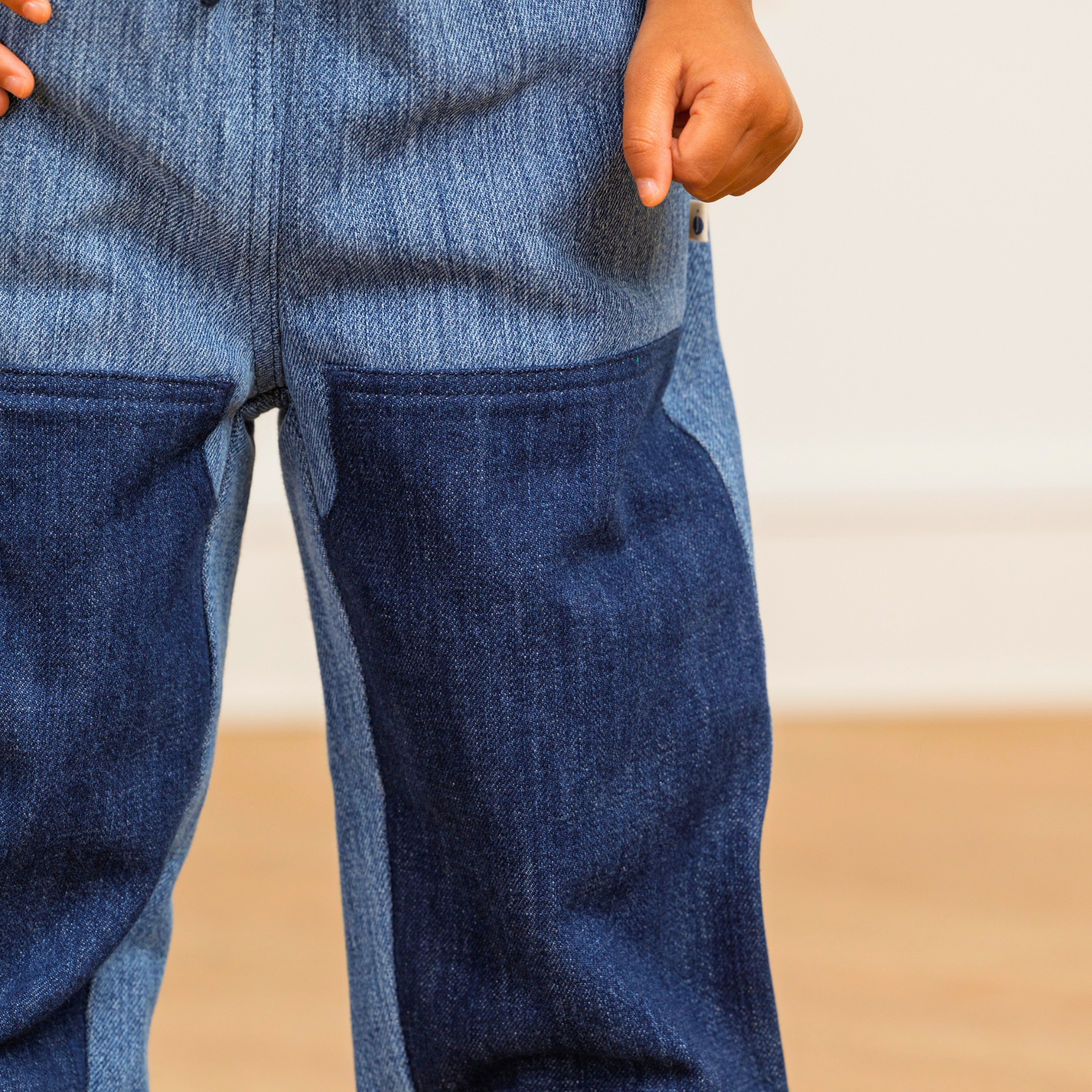

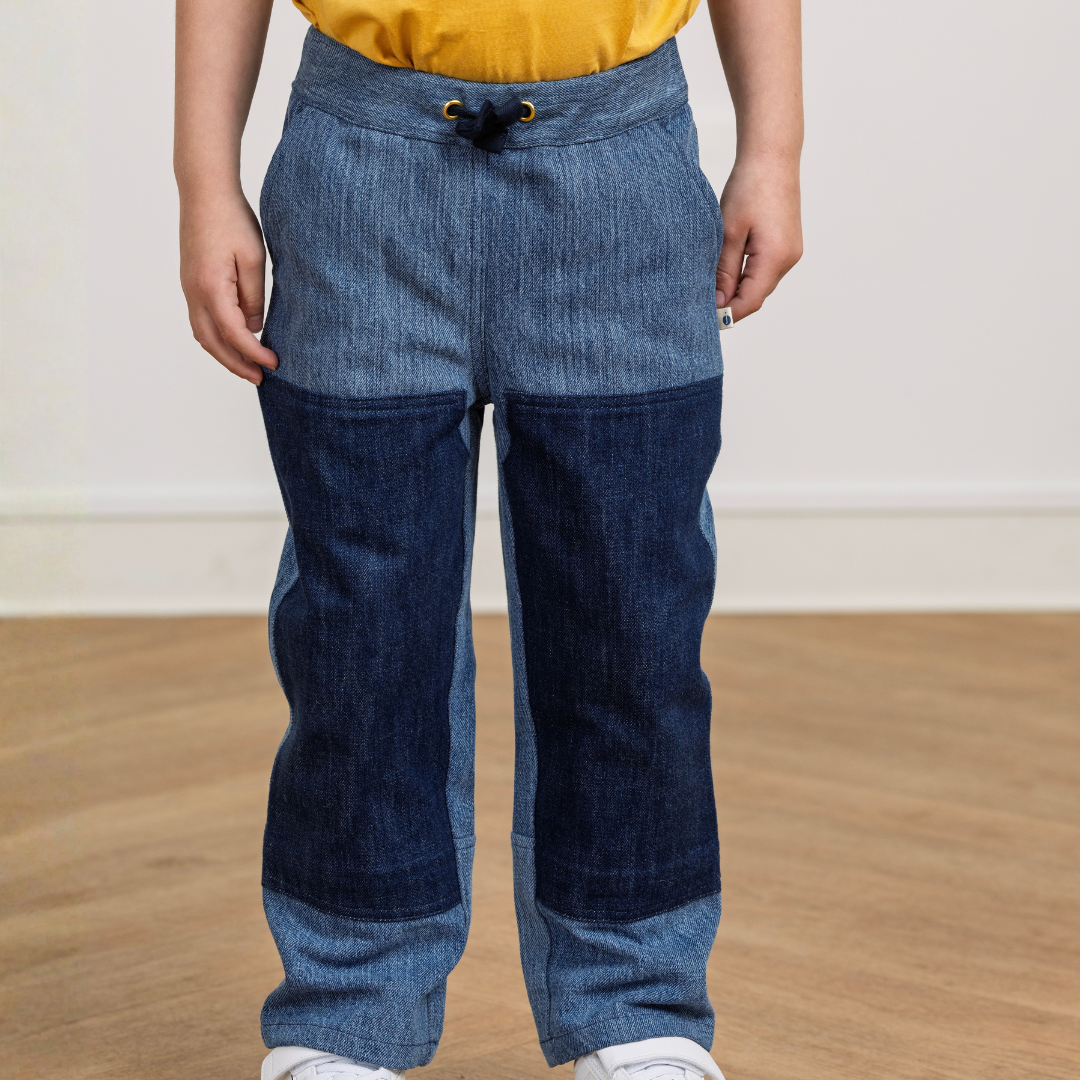

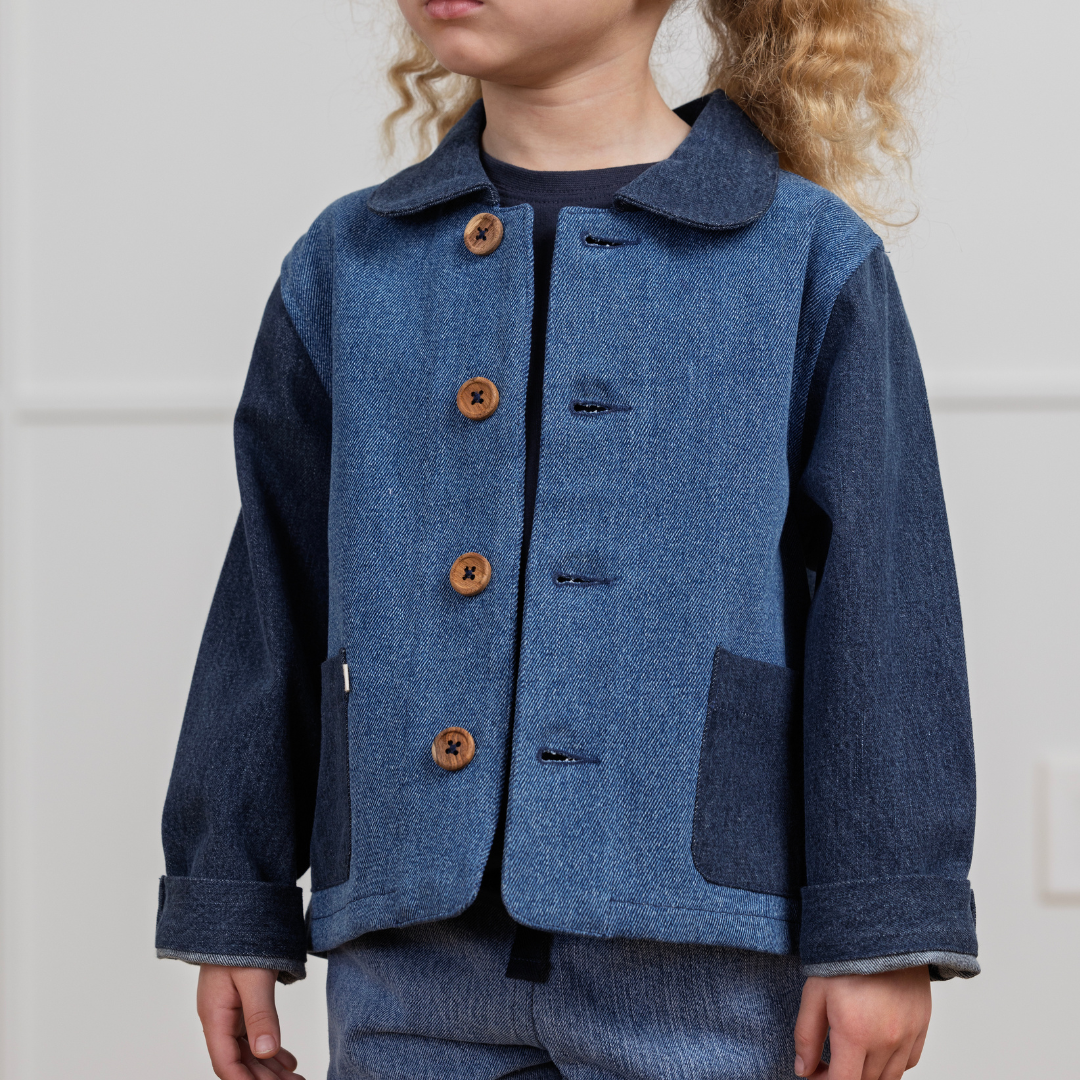

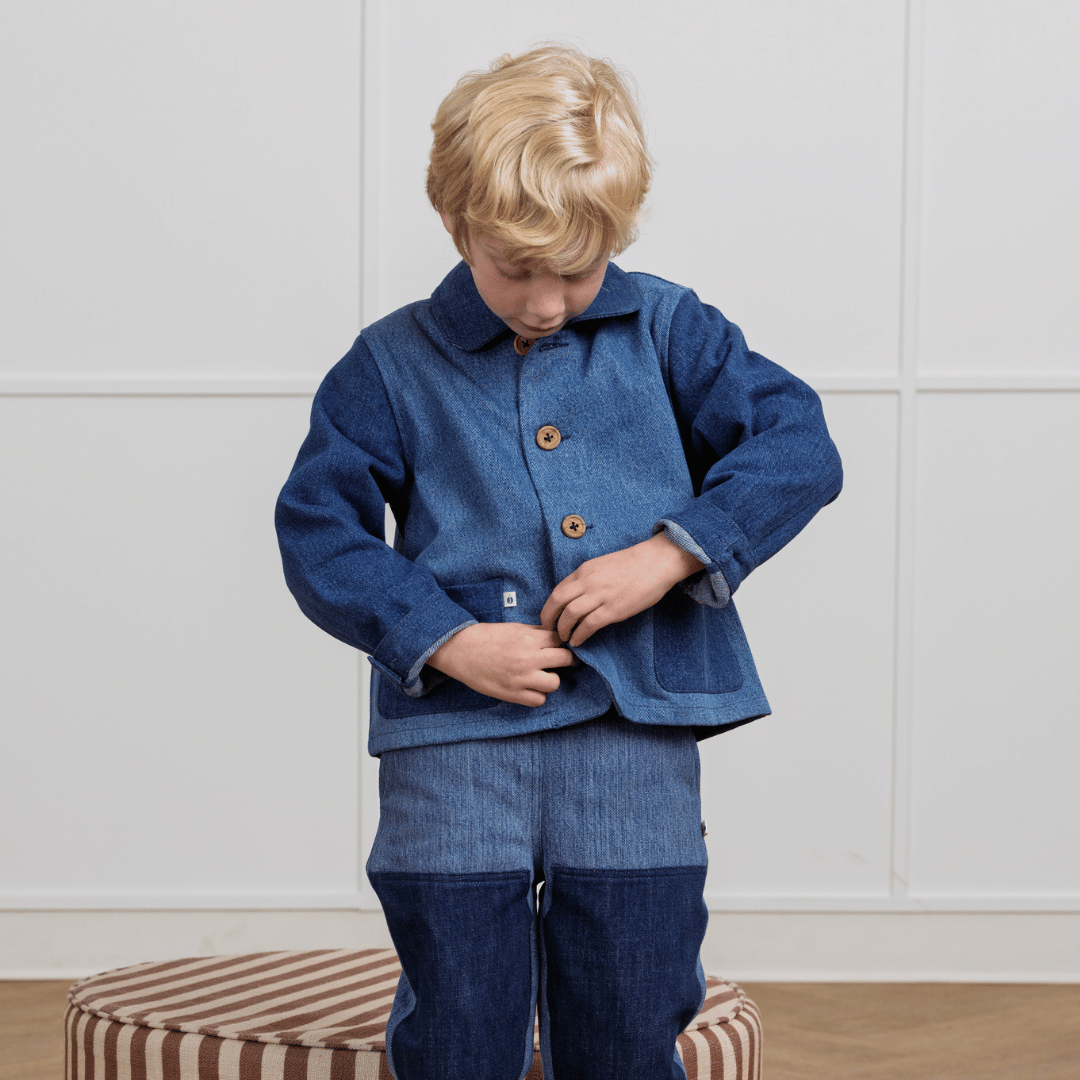

What makes Broken In different
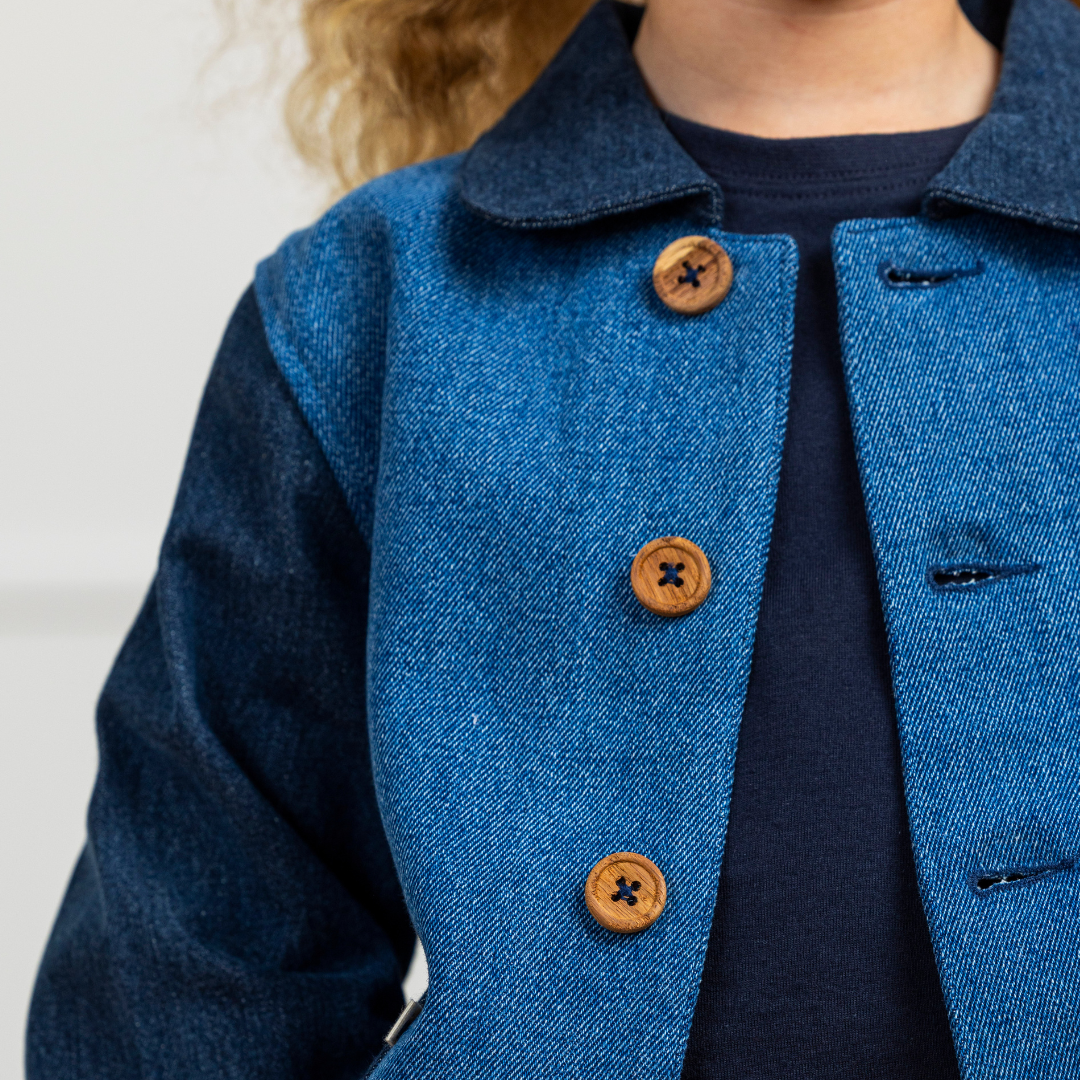

Every yard was someone's jeans.
Every piece is made from post-consumer denim — worn, donated, sorted, and rescued. No new cotton grown. No new fabric woven.


The softness is real, and earned.
Post-consumer denim has already been through dozens of wash cycles. The break-in period is done before it reaches you.
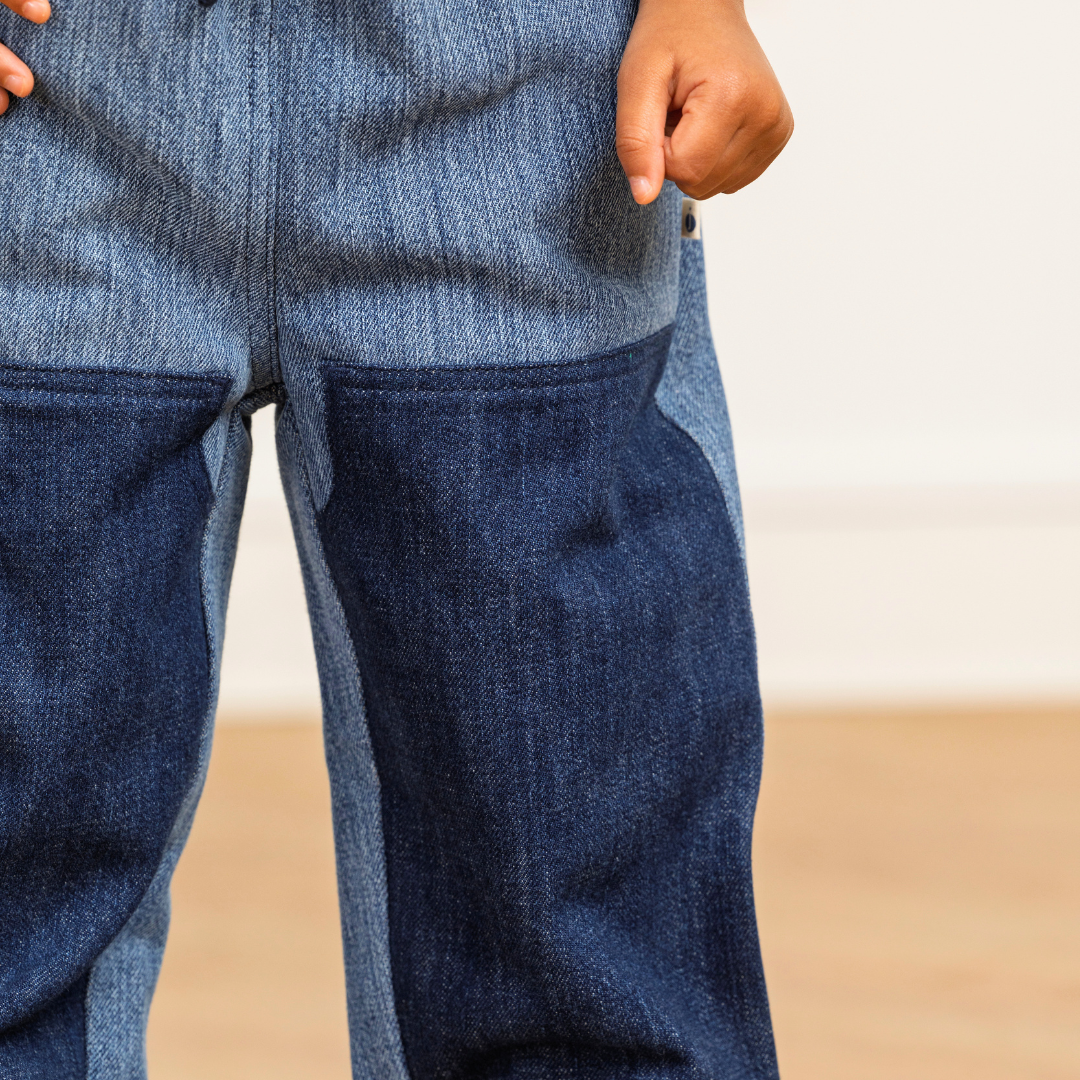

No two are exactly the same.
Different fades, different textures, different character. Each piece is cut from a different pair of jeans. That's not a flaw — it's the point.
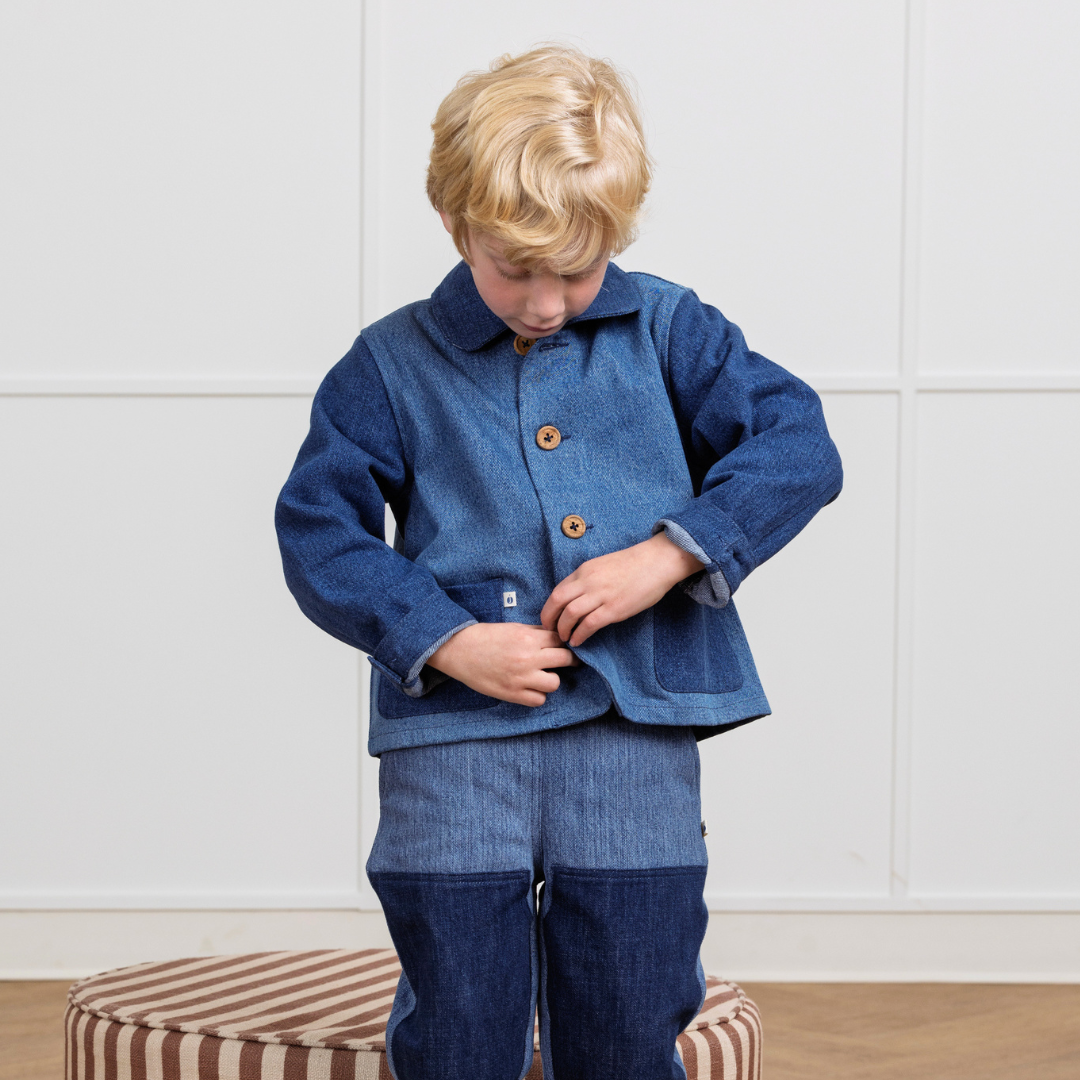

Same Jackalo. Different origin.
Reinforced construction. Ethical manufacturing. TradeUP sends it on to start someone else's story — just like it started as someone else's jeans.

Up to 98% less water
Making new denim is extraordinarily water-intensive. Starting from fabric that already exists skips almost all of it.

Up to 68% less electricity
The energy required to grow, gin, spin, weave, and finish new cotton fabric adds up fast. Post-consumer denim sidesteps most of that process entirely.

Up to 80% lower carbon impact
From fiber to finished garment, the carbon footprint of post-consumer denim is a fraction of what it takes to make something new from scratch.
Good fabric shouldn't disappear.
Every Broken In piece is made from 100% post-consumer cotton denim — rescued from the overflow of Beyond Retro's UK thrift stores, sorted by hand, and cut and sewn by our manufacturing partner Bank & Vogue at their facility in western India. The denim already existed. We just found it a better ending.
Read the full story

Damaged Clothes are Sorted


The Pattern is Placed


New Clothes are Sewn


Kids Celebrate!