3 Ways To Make Your Kids Winter Clothes More Sustainable
Winter Kids Clothes: Cozy but...could be BETTER!
In a world driven by consumerism and rapidly changing trends, the clothing industry has been a major culprit in the climate crisis (lookin’ at you, fast fashion!) Children's winter wear – coats, sweaters, high tech performance fabrics – can have an even greater negative environmental impact because they can’t be used all year, are outgrown quickly, and often contain plastics and other chemicals that wreak havoc on the planet.
Let's delve into the truth about kids' winter clothing, exploring alternative solutions aligned with buying less and buying better, and providing insights into the importance of maintaining and caring for winter garments to reduce waste.


Convenience is the Enemy of Conservation
You know the drill. You wake up one morning and suddenly the sleeves on your child’s sweaters are two inches too short. It might be tempting to just snag a new one (or four) while you’re out on errands, because after all– aren’t they going to just get a few wears out of it before it’s outgrown again? Why invest in a more sustainable option when they're just going to wear it for a few months?


The Environmental Consequences of Cold Weather Kids Clothes
Synthetic Fabrics (Polyester, Nylon, and Acrylic):
These materials are derived from petroleum-based products and involve energy-intensive manufacturing processes. Additionally, synthetic fabrics do not biodegrade easily and contribute to microplastic pollution when washed.
Chemically Treated Fabrics:
"Performance fabrics" treated with certain chemicals, such as PFAS (per- and polyfluoroalkyl substances) for water repellency, can persist in the environment for decades and bioaccumulate in our bodies. These "forever chemicals" have been linked to serious health concerns in children. Learn more about PFAS in children's clothing and how to avoid them.
Faux Fur and Polyfill (Acrylic/Polyester Blend):
Faux fur and polyester batting made from acrylic or polyester can shed microfibers, contributing to plastic pollution in oceans and waterways.
Depending on your environment, it may be hard to avoid these items. That's why we recommend shopping second hand for outerwear, sizing up so clothes last longer, and buying from trusted brands that care about people and planet.
3 Ways To Make Your Child's Winter Wardrobe More Eco-Friendly


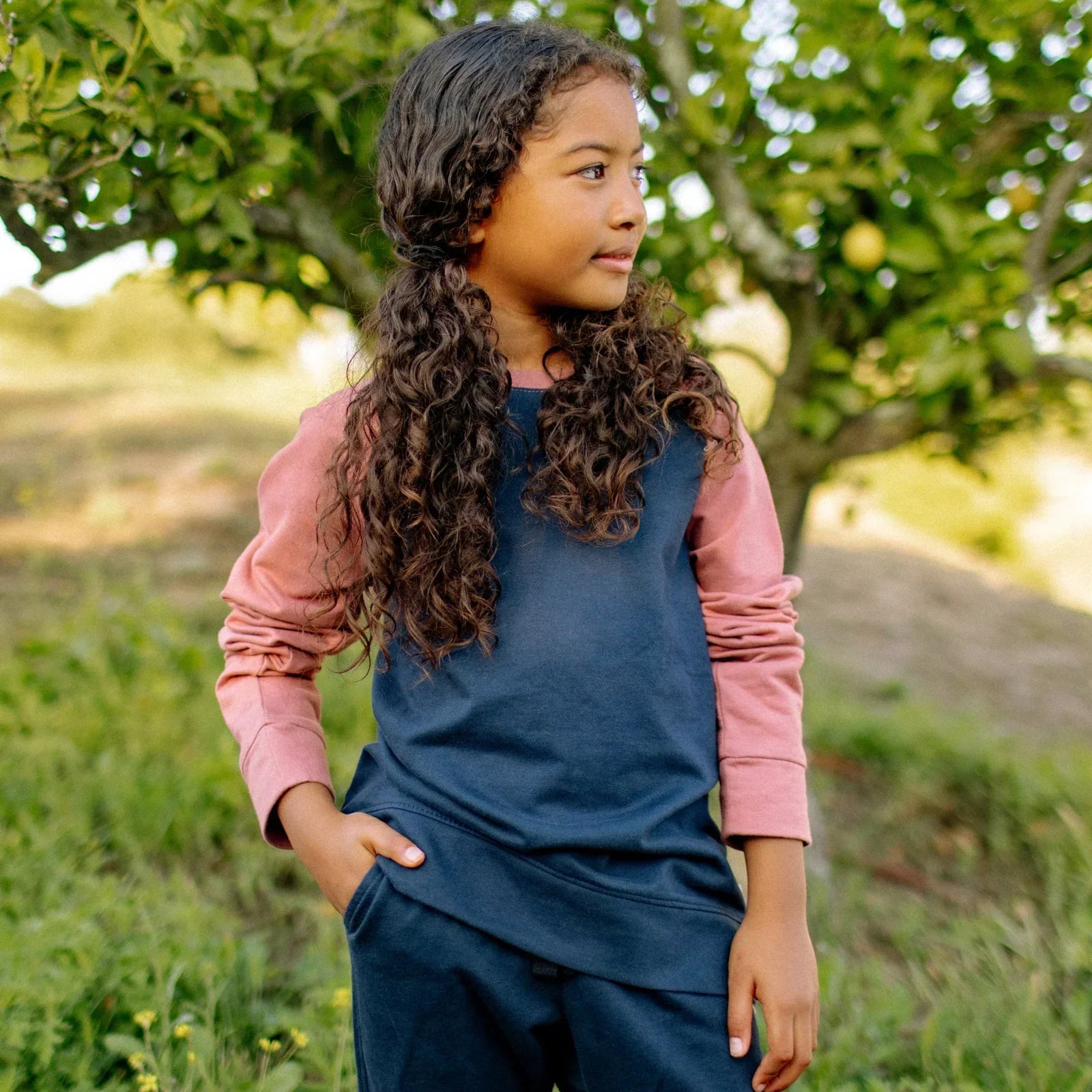
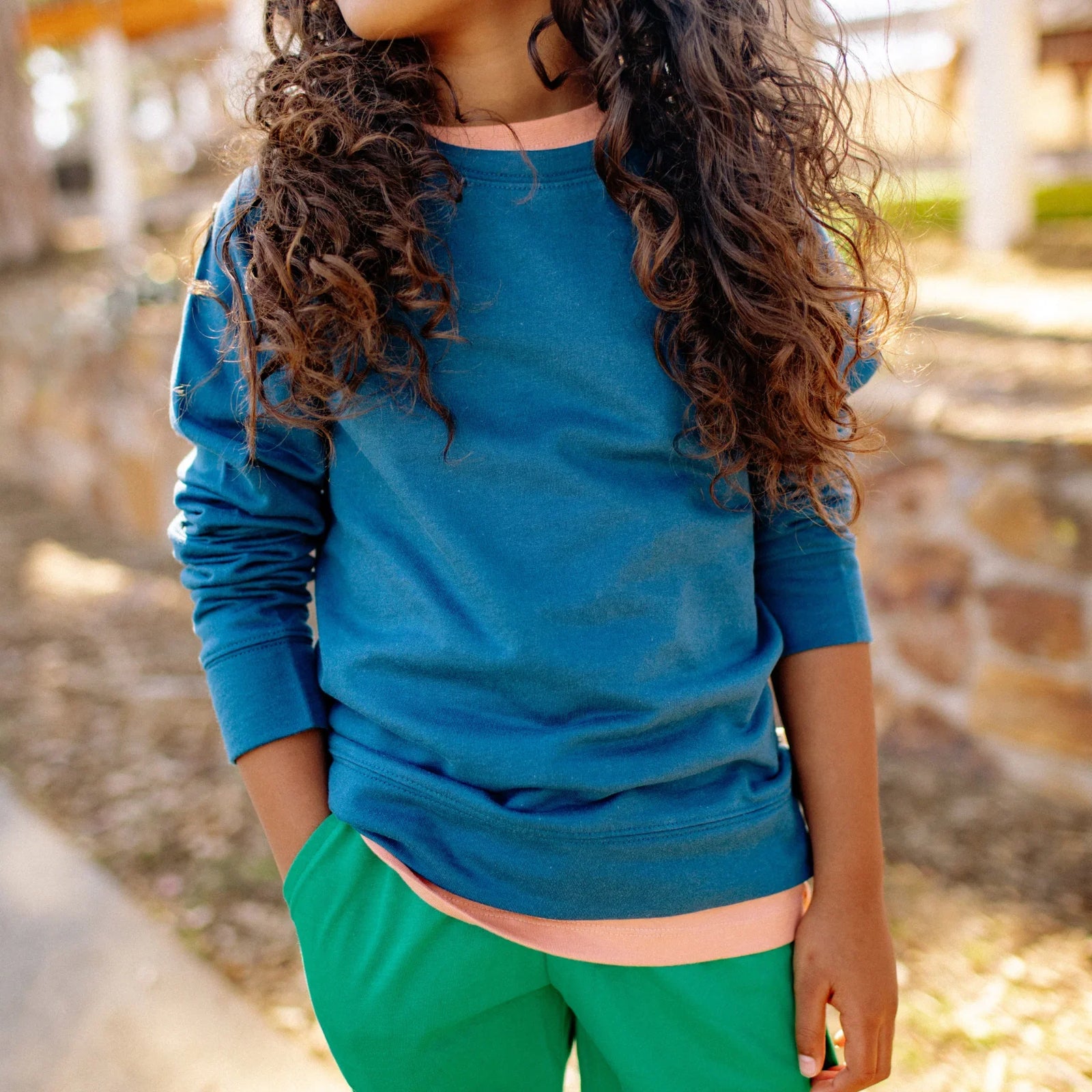
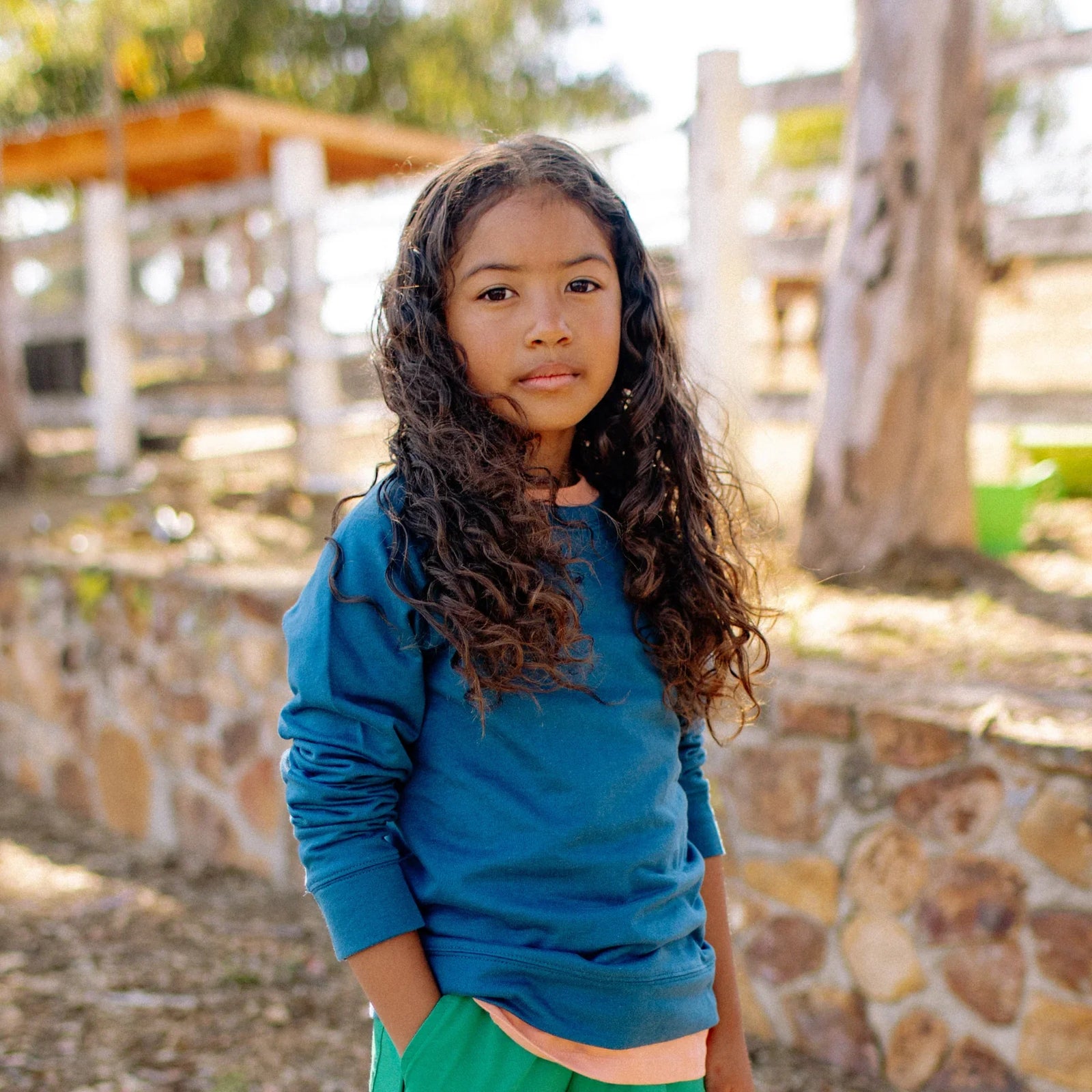
1. Invest in Sustainable Winter Clothes for Kids
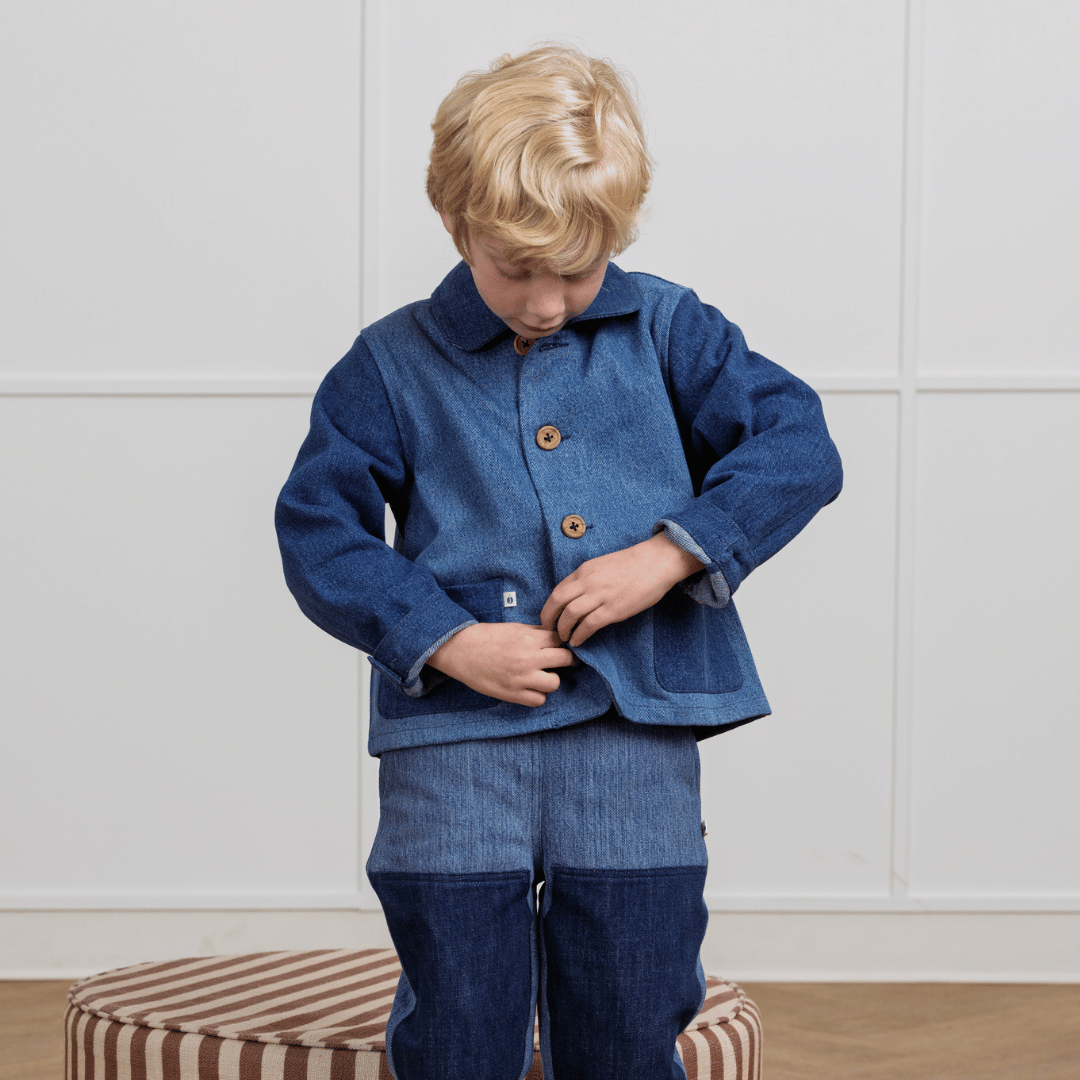
Shop Jackalo Organic
While the upfront cost of organic and sustainable kids' clothes may be higher compared to conventional alternatives, they often save money in the long run. Organic fabrics are more durable, hold up better, and retain their resale value. Plus natural and organic fabrics are naturally moisture-wicking, temperature-regulating and antimicrobial!
Our Top Picks for Sustainable Winter Brands (New & Preloved):
- Jackalo - Organic, PFAS-free clothing designed to grow with your child
- Faire Child - PFAS-free outerwear and performance wear made with sustainable materials
- Reima - Finnish outdoor brand offering PFAS-free, durable winter gear for active kids
All of these brands prioritize chemical-free fabrics and can be found both new and secondhand, making sustainable winter wear more accessible.


2. Embrace Secondhand and Upcycled Kids Clothing
Shop Pre-Loved Jackalo
Thrifting and upcycling are excellent ways to reduce the demand for new garments and extend the life of quality winter wear. Explore these options for secondhand children's clothing:
- Poshmark - Wide selection of gently used kids' winter clothes with easy search filters
- eBay - Great for finding specific brands and sizes, including vintage and international brands
- Facebook Marketplace - Local buying means no shipping emissions and you can inspect items in person
- Jackalo TradeUp Program - We buy back outgrown Jackalo clothes for a credit towards your next size!


3. Learn To Mend
Get The Guide
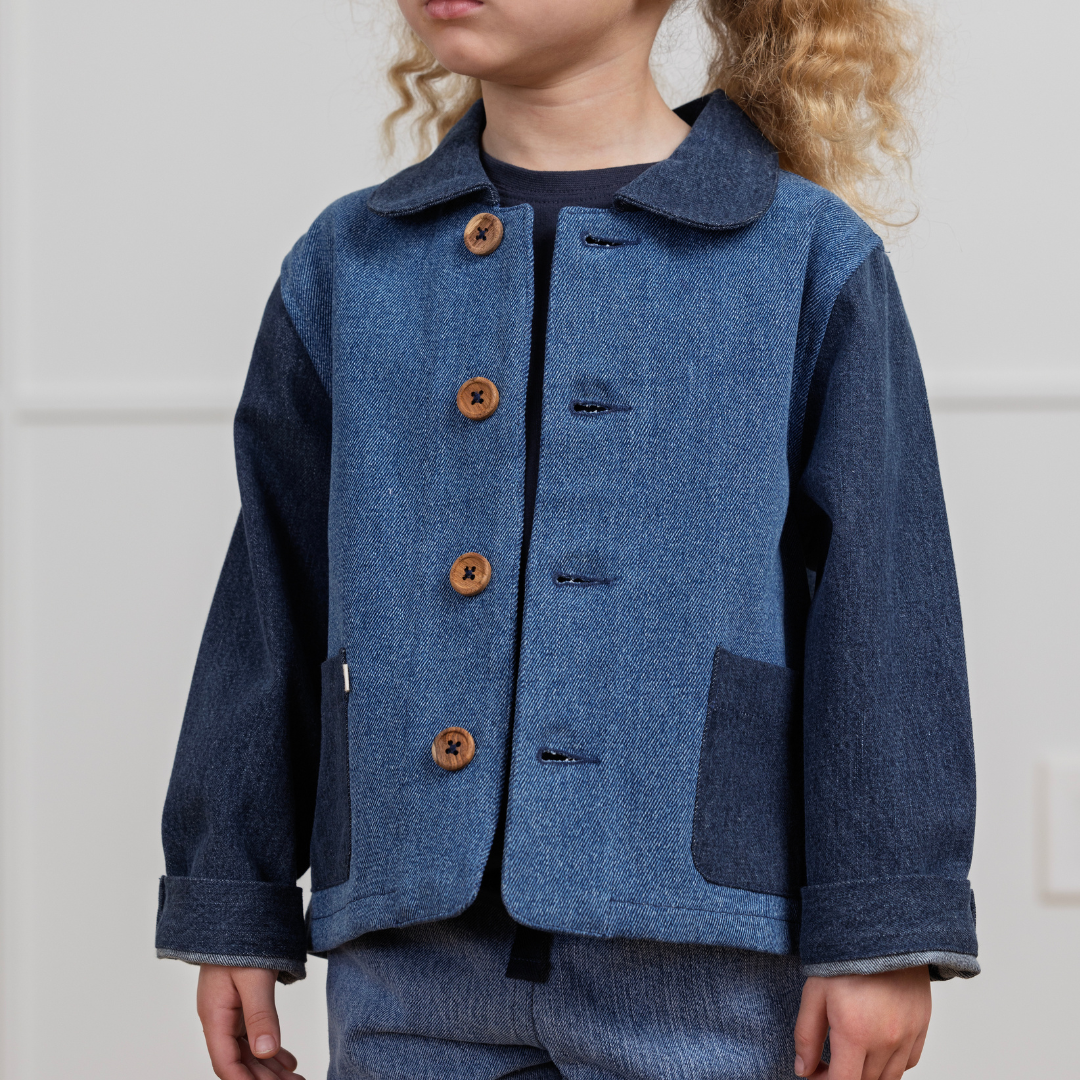
Mending is one of the best ways to reduce the environmental footprint of your kid's cold-weather clothing. And, you don't have to be skilled at sewing to do this!
Our Mend It! guide will help you learn to give new life to your woven garments both by hand and with a sewing machine.
GREEN WINTER WARDROBE
Embracing a low-waste lifestyle involves actively participating in the circular economy.
By understanding the environmental impact of traditional winter clothing and implementing practical tips for maintenance and care, we can contribute to a healthier planet for future generations. This year, let's redefine the way we approach children's winter-wear, prioritizing sustainability and mindful consumption!